
Maintaining reliable plumbing systems in Haverhill’s churches and community buildings presents distinct considerations due to the age, size, and frequent use of these structures. Many such facilities feature older pipe networks that have served generations. Proactive care helps avoid disruptions during services, events, or daily operations.
Unique Plumbing Demands in Historic Settings
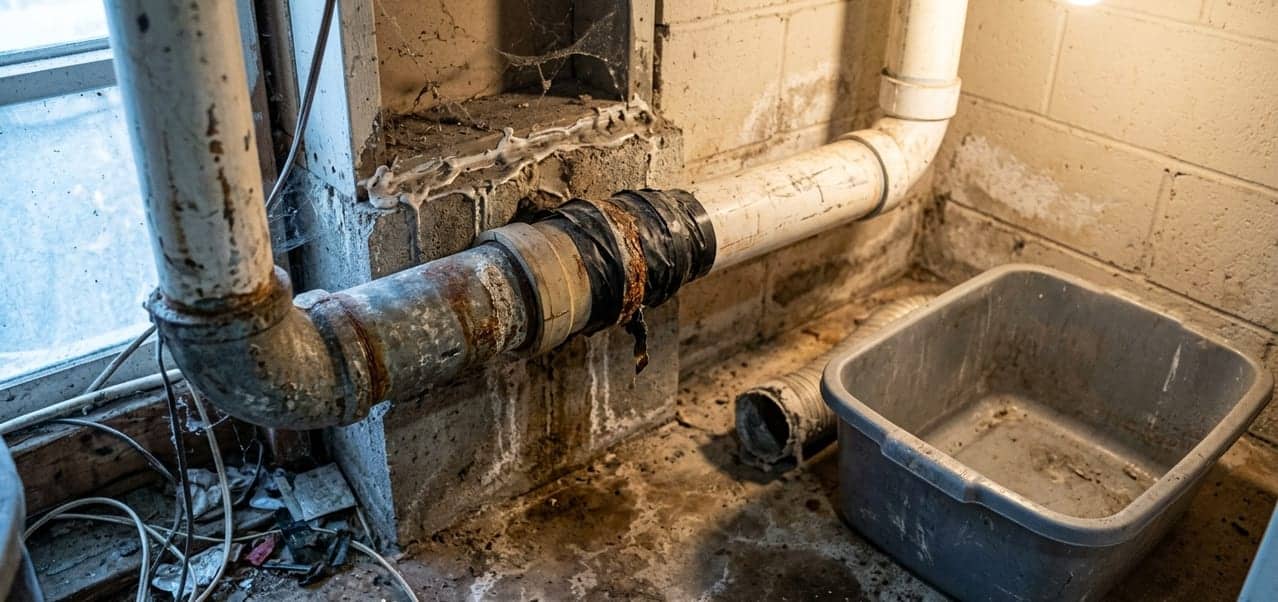
Churches and community halls often occupy buildings constructed decades or even centuries ago. These structures typically incorporate cast iron drains, galvanized steel supply lines, and fixtures that predate modern materials. Over time, corrosion, sediment buildup, and ground shifts can compromise joints and create slow leaks that remain hidden behind walls or under floors.
Community buildings also experience variable water demand. Large gatherings for worship or meetings place sudden loads on hot water systems, restrooms, and kitchen facilities. Without routine monitoring, these peaks can accelerate wear on valves and water heaters.
Preventive Maintenance Strategies
A consistent schedule of inspections helps identify minor concerns before they escalate. Annual checks should include visual examination of exposed piping, testing of shut-off valves, and assessment of drainage flow rates. Water pressure readings taken at multiple points reveal restrictions that may indicate internal scale or partial blockages.
Replacing aging rubber gaskets and washers on a rotating basis prevents drips that waste water and damage surrounding surfaces. In Massachusetts climates, insulating pipes in unheated areas reduces the risk of freezing during winter months.
Why Older Systems Need Extra Attention
Cast iron and galvanized lines don’t always announce problems until water shows up where it shouldn’t. A small drip behind a wall can go unnoticed for months in a big building. Regular checks catch that before it soaks into plaster or flooring that costs a fortune to restore.
Addressing Common Issues in Shared Spaces
Low water pressure in restrooms often stems from mineral deposits in aerators or older supply lines. Flushing these components and installing low-flow fixtures can restore performance while supporting conservation goals. Persistent sewer odors may signal vent stack obstructions or dried-out trap seals, both of which require prompt attention to preserve indoor air quality.
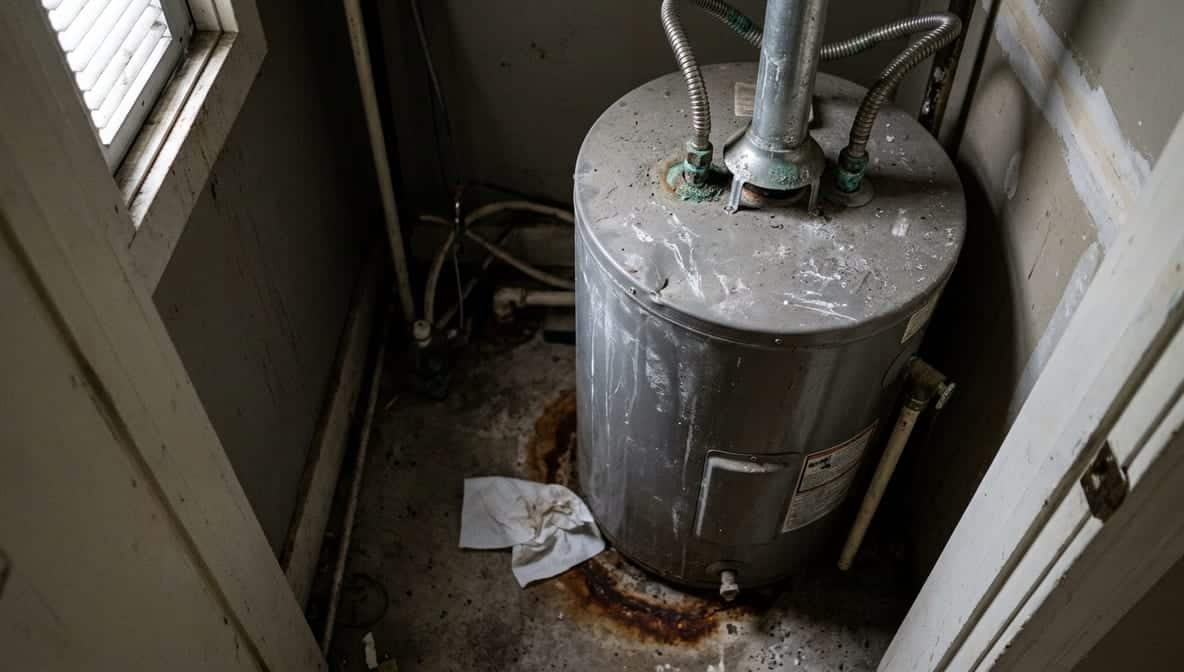
Water heater performance deserves particular focus in buildings with high simultaneous demand. Sediment flushing and anode rod inspections extend equipment life and ensure adequate hot water during peak periods. When leaks appear near baptismal fonts or kitchen sinks, immediate isolation of the affected section limits damage to historic flooring and furnishings.
When specialized expertise becomes necessary for complex repairs or system upgrades, many organizations rely on Haverhill Plumber to handle the unique constraints of these properties.
Water Conservation and Efficiency Upgrades
Community buildings can achieve meaningful reductions in utility costs through targeted improvements. Installing sensor-activated faucets and dual-flush toilets lowers consumption without sacrificing functionality. Retrofitting with high-efficiency water heaters and properly sized recirculation loops ensures hot water arrives quickly at distant fixtures, cutting both energy use and wait times. These measures also align with broader stewardship values often emphasized by faith-based and civic groups.
How Do Seasons Affect Plumbing Here?
Spring thaws can introduce additional groundwater pressure around foundations, increasing the likelihood of drain backups. Summer humidity may promote condensation on cold pipes, necessitating improved ventilation in mechanical rooms. Fall leaf accumulation in roof drains and gutters requires clearing to prevent overflow that could affect interior plumbing. Winter demands extra vigilance around exterior hose bibs and any piping in poorly insulated spaces.
By integrating these practices into an ongoing care plan, Haverhill churches and community buildings keep their infrastructure in working order for the people who use the spaces year after year.